
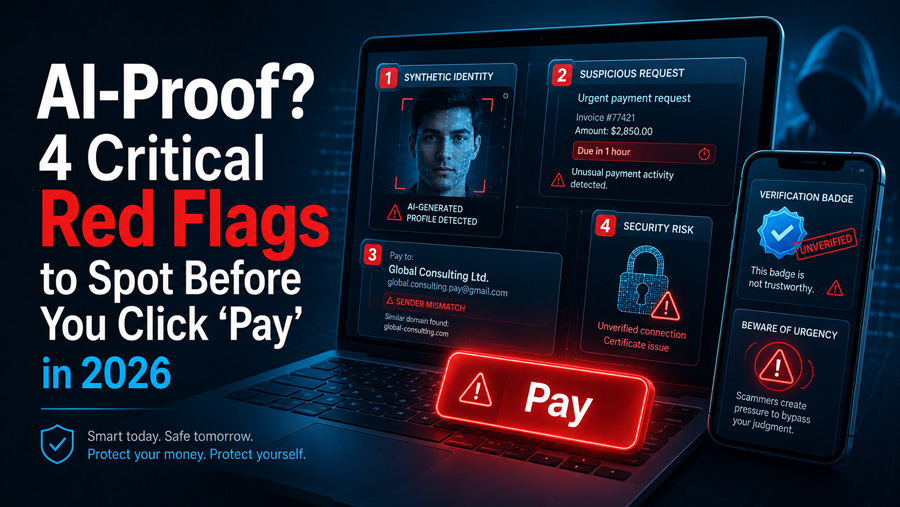
In 2026, the digital payments ecosystem has become a paradox: it is simultaneously the most advanced and the most dangerous era in financial history. With over 60% of the global population utilizing digital wallets and billions of “passkeys” replacing traditional passwords, the convenience of a single click is undeniable. However, as industry experts warned earlier this year, the rise of AI has democratized cybercrime, allowing even small-scale attackers to launch sophisticated strikes using nothing more than an inexpensive toolkit from the dark web, as highlighted in recent Visa risk intelligence reports.
As we navigate this era of “Agentic Phishing” and deepfake fraud, staying safe requires more than just looking for a padlock icon in your browser. It requires a strategic checklist to verify the digital architecture behind your transactions.
1. Verifying the Platform’s Infrastructure: The Foundation of Trust
The first step in any transaction is evaluating the underlying technology. In 2026, we have moved far beyond simple encryption. To ensure your data is secure, you must look for TLS 1.3 or higher and HTTPS protocols that prevent “man-in-the-middle” interceptions.
Furthermore, the most reliable platforms today utilize API-driven architecture. By connecting directly to primary service providers rather than through multiple layers of intermediaries (agents), the risk of data leakage is significantly reduced. This principle of direct connection is a gold standard in many digital sectors; for instance, when seeking high-quality entertainment, choosing an online baccarat that relies on stable, versioned APIs ensures that your deposits and withdrawals are processed with mathematical precision and transparent audit trails, free from the risks of third-party manipulation.
2. The Death of the Password: Look for Passkeys and Biometrics
If a website still asks you to remember a complex password, it is already behind the times—and potentially vulnerable. The industry standard has shifted toward FIDO2/WebAuthn and Passkeys. Unlike passwords, passkeys are phishing-resistant because they are cryptographically bound to the specific origin of the website or app.
Beyond passkeys, look for Multimodal Biometrics. A high-security platform should employ a combination of fingerprint recognition and 3D facial depth-sensing. Most importantly, ensure the platform uses “Liveness Detection.” This AI-powered anti-spoofing technology is the only way to differentiate between a live person and a sophisticated deepfake video or mask designed to hijack your identity—a threat that has seen massive growth in recent years.
3. Evaluating Payment Reliability: Tokenization and Compliance
When money is on the line, the “how” of the transaction matters as much as the “where.” A major “Green Flag” is Payment Tokenization. Secure platforms do not store your raw card numbers or sensitive data; instead, they use “tokens”—randomized strings of data that are useless to hackers if intercepted.
To verify a platform’s legitimacy, check for these industry-standard certifications:
-
PCI DSS 4.0 Compliance: The gold standard for payment card security, which covers multi-factor authentication and vulnerability management.
-
3D Secure 2.x (3DS2): This triggers an extra layer of authentication from your bank during checkout, providing a much-needed safety net against card-not-present fraud.
-
Blockchain Integration: Look for platforms that utilize distributed ledger technology, as the immutable auditability makes post-hoc fraud investigation far more transparent and reliable.
4. Spotting Modern Red Flags: The AI-Driven Threat Landscape
As we move through 2026, the threats have become “agentic”—meaning AI can now plan and execute scams autonomously. Watch out for these modern red flags:
-
Agentic Phishing: Hyper-personalized emails that use Natural Language Processing (NLP) to mimic your actual communication style or use deepfake audio of a trusted colleague to authorize transfers.
-
Synthetic Identity Fraud: Scammers create “ghost” identities by mixing real data elements with fabricated details to build plausible but fake credit histories.
-
API Layer Attacks: Malicious scripts injected into checkout pages that intercept payment data before it even reaches the secure gateway.
Conclusion: Security as a Continuum
In the age of AI, security is no longer a one-time checkbox; it is a continuous process of verification. The most trustworthy platforms are those that demonstrate a proactive “security posture”—utilizing everything from biometric liveness detection to real-time anomaly analysis. By applying this checklist and prioritizing platforms with direct API connections and modern authentication support, you can enjoy the limitless possibilities of the digital economy without falling victim to its sophisticated new shadows.
