
We’re used to seeing celebrities and public figures push boundaries — whether that’s breaking records on screen or transforming their physiques for a role. But increasingly, a different kind of extreme achievement is capturing public attention: ultra-endurance feats in the world’s most remote and punishing environments. From Kilimanjaro speed attempts to Himalayan treks, the line between celebrity culture and elite athleticism is blurring in fascinating ways.
Why Extreme Challenges Are Having a Moment
There’s something deeply compelling about watching a person test the very limits of human capability. Social media has made these journeys more visible than ever, and audiences who once followed celebrities for red carpet moments are now glued to altitude trackers and live expedition updates. The appeal isn’t hard to understand — these are stories of genuine struggle, preparation, and triumph that no publicist can spin.
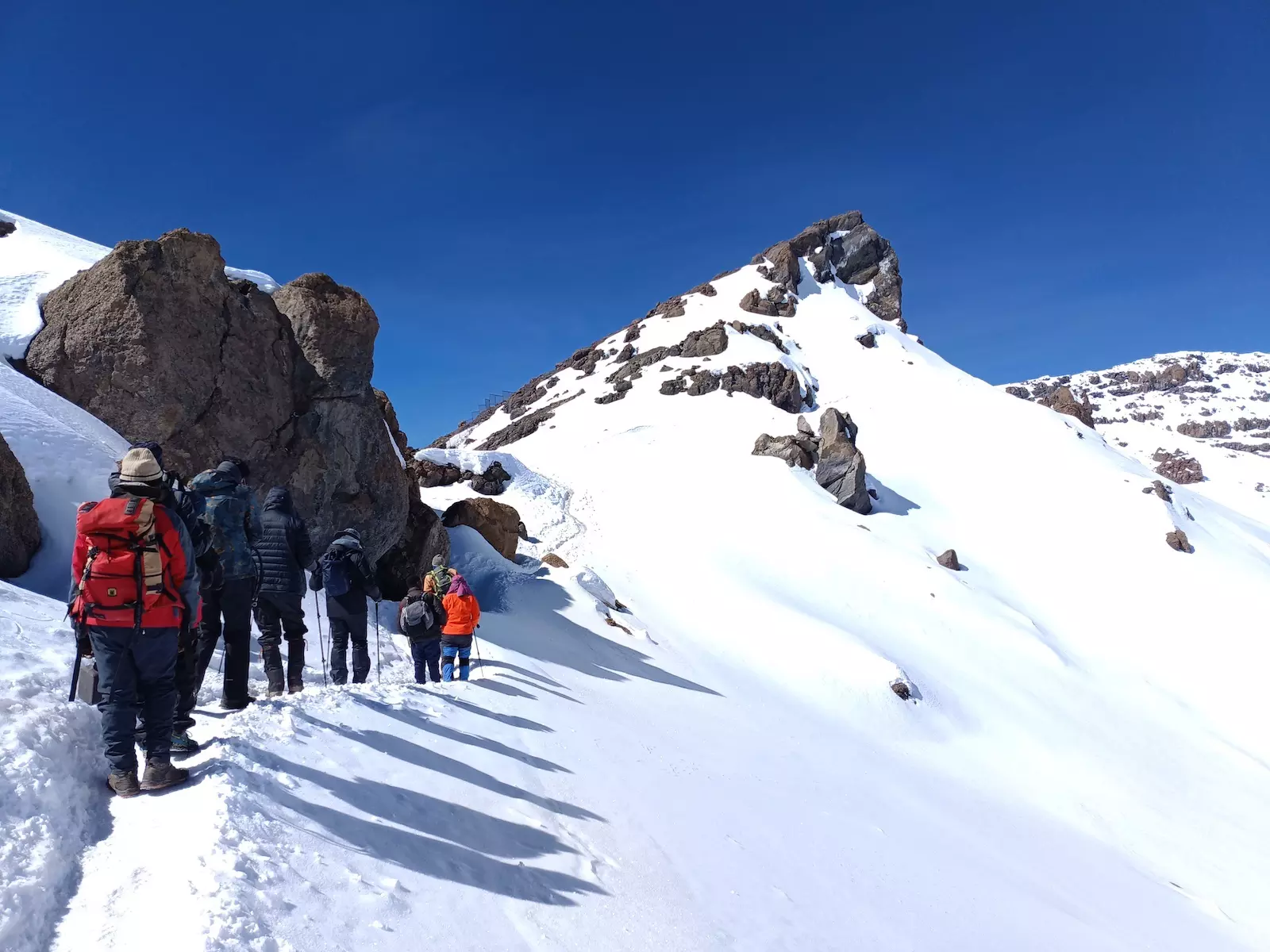
High-altitude mountaineering, in particular, has become a fixture in conversations about physical excellence. Kilimanjaro, the iconic free-standing volcano in Tanzania, draws tens of thousands of climbers each year — from first-time adventurers to seasoned record-chasers. But not everyone approaches it the same way, and the difference in preparation between a casual trekker and an elite athlete is staggering.
What It Takes to Chase a Speed Record
John Rees-Evans, founder of Team Kilimanjaro, is one of those rare figures who operates at the intersection of passion and obsession. In July 2026, he is attempting a Kilimanjaro speed record that most people wouldn’t even consider attempting — beginning not from the standard trailhead, but from the mountain’s true geographic base at 777 metres above sea level. That means a total vertical gain of 5,105 metres to Uhuru Peak, Africa’s highest point.
To put that in perspective, most guided climbers take between five and nine days to complete the ascent. Rees-Evans is aiming to do the full distance — up and back — in a fraction of that time. The physical and mental preparation required is extraordinary, involving months of structured altitude training, cardiovascular conditioning, and meticulous nutritional planning.
Choosing the right season matters enormously for any Kilimanjaro attempt. The best time to climb Kilimanjaro is generally considered to be during the drier months — January to March and June to October — when weather windows are more predictable and trail conditions are more stable. For a speed record attempt, that weather window isn’t just a preference; it could be the difference between success and a dangerous retreat.
The Celebrity Factor: When Fame Meets Altitude
It isn’t only dedicated mountaineers making these journeys. Over the past decade, a string of well-known faces — actors, musicians, and athletes — have taken on high-altitude challenges for charity or personal growth. Some have documented their experiences in raw, unfiltered detail, giving audiences a genuine window into the psychological toll that altitude and exhaustion take on even the fittest individuals.
What’s interesting is how these experiences tend to change people. Interviews with celebrities who’ve completed Kilimanjaro or Himalayan treks often reveal the same themes: a renewed sense of perspective, a stripping away of ego, and a profound appreciation for the natural world. You can’t perform your way through altitude sickness. You can’t charm a glacier. The mountain treats everyone equally.
The Himalayan Alternative: Everest Base Camp
For those inspired by high-altitude adventure but not quite ready for a Kilimanjaro summit push, the Everest Base Camp trek represents one of the most iconic journeys on the planet. Reaching 5,364 metres, it doesn’t require technical climbing skills but demands serious physical preparation and a healthy respect for altitude. Like Kilimanjaro, timing is everything, and acclimatisation days are non-negotiable.
Both challenges share a common thread: they reward those who prepare methodically and punish those who don’t. Whether you’re a celebrity documenting the experience for your followers or an athlete chasing a world record, the mountain itself is indifferent to your status.
Training Principles That Apply to Everyone
What can ordinary fitness enthusiasts take from watching people like John Rees-Evans prepare for an extreme record attempt? Quite a lot, actually. The principles of progressive overload, structured recovery, mental resilience training, and goal-setting apply whether you’re preparing for a 5K or a 5,000-metre summit.
Consistency beats intensity in the long run. Rees-Evans’s preparation isn’t built on a single heroic training session — it’s built on months of disciplined, incremental work. That’s a lesson worth taking from the world of extreme athleticism and applying to everyday life.
In a culture that often celebrates overnight success, there’s something quietly radical about watching someone put in the unglamorous, grinding work that a genuine record attempt demands. That, perhaps more than the summit photo, is the story worth following.
