
In Canada, late summer is an important period for garden maintenance, soil improvement, and preparation for future growing seasons. Home growers, landscape professionals, and property managers often use this time to improve soil conditions after intensive planting periods. Effective soil preparation helps maintain healthier growing environments, and equipment that reduces manual effort can improve both productivity and consistency.
A self-propelled garden tiller is designed to simplify soil cultivation by combining powered movement with rotating tilling components. Understanding how this equipment works helps operators and equipment buyers choose appropriate tools for garden maintenance, landscaping projects, and small-scale agricultural applications.
Technical Overview of Self-Propelled Garden Tiller Operation
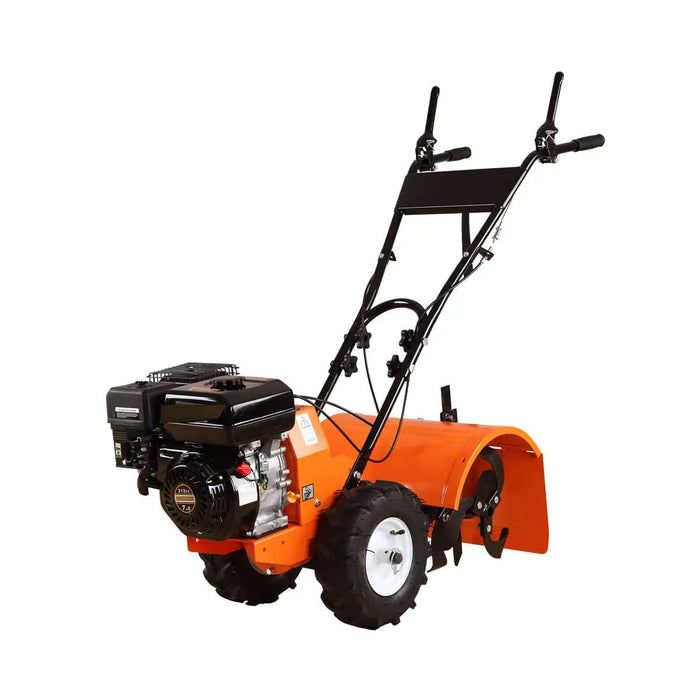
A garden tiller prepares soil by using rotating tines to break compacted ground, mix organic material, and create a more suitable planting surface. A self-propelled design adds a drive system that helps move the machine forward or backward, reducing the physical effort required from the operator.
Bidirectional and counter-rotating tine systems provide additional control by allowing the machine to work through different soil conditions. The rotating action helps penetrate harder surfaces while maintaining a controlled working pattern.
Common applications include:
-
Preparing vegetable gardens and planting areas
-
Breaking compacted soil after seasonal changes
-
Mixing compost and organic materials into soil
-
Maintaining landscaped areas
Improving Efficiency and Soil Management Productivity
Soil preparation is often one of the most demanding parts of gardening and landscaping. Manual digging requires significant time and physical effort, especially when working with dense or untreated soil. A self-propelled garden tiller improves efficiency by allowing operators to prepare larger areas with more consistent results.
For example, a property maintenance team preparing multiple garden beds can use powered cultivation equipment to reduce preparation time while creating more uniform soil conditions. This allows workers to focus on planting and other maintenance tasks.
Key productivity benefits include:
-
Reduced manual labor requirements
-
More consistent soil cultivation
-
Improved preparation speed
-
Better control in different soil conditions
Technical Foundations and Equipment Considerations
The performance of a self-propelled garden tiller depends on several factors, including soil type, tine design, machine balance, and operating technique. Different soils require different approaches. Loose garden soil may require less aggressive operation, while compacted ground may require slower movement and careful control.
Important considerations include:
-
Soil moisture and ground conditions
-
Required cultivation depth
-
Available working area
-
Operator experience and maintenance practices
Performance Factors and Maintenance Practices
Operating performance is affected by soil composition, debris levels, and equipment condition. Stones, roots, and hardened soil can increase stress on tilling components and require careful operation.
Regular maintenance helps maintain reliable performance. Operators should inspect rotating parts, remove accumulated debris, and check mechanical components before use. Proper storage also helps protect equipment during periods of inactivity.
Safety Practices for Garden Tiller Operation
Although garden tillers are smaller than many agricultural machines, they still contain rotating components that require careful handling. Safe operation depends on proper preparation and awareness of surrounding conditions.
-
Inspect equipment before operation
-
Wear appropriate protective equipment
-
Keep hands and feet away from moving parts
-
Remove obstacles from the working area
-
Stop the machine before making adjustments
Equipment Types and Application Differences
Garden cultivation equipment includes several categories, such as front-tine tillers, rear-tine tillers, compact cultivators, and self-propelled garden tillers. Each type is designed for different levels of soil preparation and working environments.
A self-propelled garden tiller provides flexibility for users who need controlled movement and efficient soil preparation. However, larger agricultural operations may require tractor-mounted implements for extensive field work.
Conclusion and Future Trends in Soil Cultivation Equipment
As interest in efficient gardening, landscaping, and local food production continues to grow, practical soil preparation equipment remains valuable for operators and property managers. A self-propelled garden tiller supports better soil management by reducing manual effort and improving cultivation consistency.
Future developments in compact cultivation equipment are expected to focus on improved efficiency, easier operation, and better adaptability to different soil conditions. Understanding equipment principles and safe operating methods will remain essential for achieving reliable results.
