
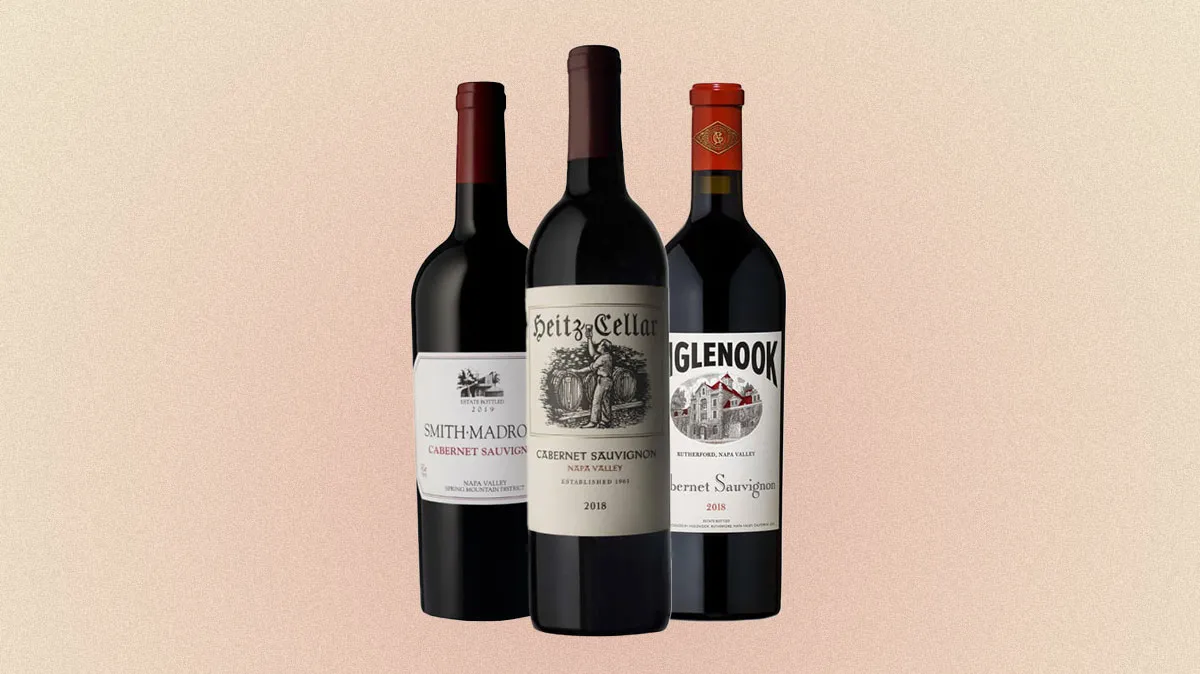
The sommelier at the upscale restaurant handed over the wine list with practiced confidence. “If you enjoy bold reds,” she said, “you have choices. But they’re not all the same.” She pointed to several entries under the red wine section. Cabernet Sauvignon sat alongside Merlot, Pinot Noir, and Syrah, each carrying different price points and regional designations. What she didn’t mention was how dramatically these wines would differ in your glass.
The foundation of flavor
Cabernet Sauvignon operates from a different playbook than most red wines. Thick skins on the grapes produce wines with substantial tannin structure, creating that dry, gripping sensation across your palate. This sets it apart immediately from softer alternatives like Merlot or Pinot Noir.
Flavor profiles lean toward dark fruits rather than bright ones. While Pinot Noir might offer cherry and raspberry notes, Cabernet Sauvignon delivers blackcurrant, blackberry, and plum. These aren’t subtle differences. In practice, you can identify a well-made Cabernet Sauvignon in a blind tasting simply by the intensity and character of its fruit.
Tannins play the lead role here. They come from the grape skins during fermentation, and Cabernet Sauvignon grapes have particularly robust skins. Young wines can feel almost chewy, especially compared to the silky texture of a good Merlot or the delicate structure of Pinot Noir.
Where terroir tells the story
Climate shapes Cabernet Sauvignon differently than other varietals. Heat is required for full ripening, which explains its success in regions like Napa Valley, Bordeaux’s Left Bank, and parts of Australia. But this requirement creates distinct regional expressions that announce themselves rather than whisper.
Napa Valley Cabernet Sauvignon tends toward riper fruit flavors and higher alcohol content, while Bordeaux versions often show more restraint, with earthy undertones and mineral notes threading through the wine’s structure. Australian expressions can split the difference, offering generous fruit while maintaining backbone.
Compare this to Pinot Noir, which thrives in cooler climates and expresses terroir through subtle variations in acidity and delicate fruit character. Differences between regions in Cabernet Sauvignon are bolder, more obvious.
Oak treatment
Most premium Cabernet Sauvignon sees oak aging, but not in the same way as other varieties. Natural tannins in the grape can handle substantial oak treatment without being overwhelmed. This creates those vanilla, spice, and sometimes chocolate notes that become woven into the wine’s structure.
Pinot Noir requires a lighter touch with oak. Too much, and the delicate fruit disappears. Merlot falls somewhere between, able to handle moderate oak but not the heavy-handed approach that Cabernet Sauvignon can absorb. This oak tolerance means Cabernet Sauvignon can develop complex secondary flavors during aging. Those seeking affordable Cabernet Sauvignon delivered to their door often find that even budget-friendly versions can show some of these oak-influenced characteristics.
Aging potential sets it apart
Few red wines age as predictably as Cabernet Sauvignon. Tannins, acidity, and alcohol create a structure that evolves over decades rather than years. While a good Merlot might peak at eight to ten years, quality Cabernet Sauvignon can improve for twenty years or more.
This aging potential changes how you approach the wine. Young Cabernet Sauvignon often benefits from decanting to soften those prominent tannins.
Aged versions develop tertiary flavors like leather, tobacco, and dried herbs that you simply won’t find in wines with shorter aging curves.
The practical differences
Food pairing reveals another key distinction. Cabernet Sauvignon’s tannin structure makes it ideal for rich, fatty foods. Steak, aged cheeses, and hearty stews complement the wine’s intensity. Try pairing these same foods with a light Pinot Noir, and the wine disappears.
Serving temperature matters more with Cabernet Sauvignon than with lighter reds. Serve it too cold, and the tannins become harsh. Too warm, and the alcohol overwhelms the fruit. The sweet spot sits around 65-68°F, slightly warmer than you’d serve Pinot Noir.
Understanding these differences doesn’t require years of study. Recognizing them helps explain why Cabernet Sauvignon commands the reputation it does among red wines, and why it continues to set the standard for bold, age-worthy expressions of the grape.
