
Most couples approach the process of selecting a wedding planning company the way they approach most significant purchases: by looking at the product first. The portfolio. The packages. The price points. The aesthetic of the website and the quality of the images it contains. These are reasonable starting points, and they tell a couple something real about what a planning company values and what kind of work it produces. But they tell relatively little about the thing that matters most in a service relationship that spans twelve to eighteen months and culminates in an event that cannot be redone: how the company actually behaves over time, under pressure, when the situation demands more than a polished presentation and a well-curated Instagram feed.
The signals that genuinely distinguish planning companies are available before any contract is signed — they just require a different kind of attention than portfolio browsing. Response time to initial inquiries is one. Not because fast responses are inherently meaningful, but because the quality and specificity of an initial response reveals how a company thinks about prospective clients. A response that engages with the actual details of what the couple described — their vision, their guest count, their concerns — demonstrates something different from a templated reply that could have been sent to anyone. The former suggests a team that pays attention. The latter suggests a team that processes volume. Both are real companies. They produce different planning experiences.
The consultation process is where 7 Agency wedding planning distinguishes itself from the broader market in ways that become clear quickly to couples who have spoken with multiple agencies before making their decision. What couples consistently describe is a conversation that feels less like a sales process and more like a genuine assessment — of what they want, what’s realistic within their parameters, and what the planning process will actually involve. That honesty, present from the first substantive conversation, is not a sales technique. It’s a reflection of how the company operates throughout the relationship: with enough confidence in what they deliver to describe it accurately rather than optimistically, and enough respect for their clients to give them information that helps them make good decisions rather than information designed to produce a booking.
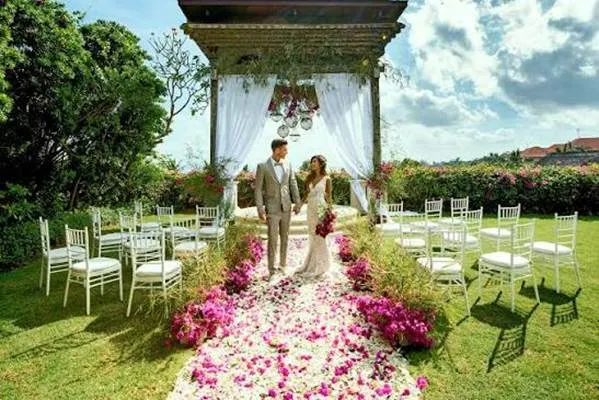
The team structure behind any planning company matters more than couples typically investigate during the selection process, and it’s worth asking about directly. A company that presents as a boutique operation but manages a high volume of weddings simultaneously by staffing them with coordinators who have limited experience is a different proposition from one that maintains genuine capacity limits and assigns experienced team members to every event. The lead planner whose work fills the portfolio is not always the person who will be managing the couple’s wedding day, and understanding exactly who will be present and responsible at each stage of the planning process — consultation, design development, supplier coordination, and day-of execution — is information that should be established before rather than after any commitment is made.
Creative development is a phase of the planning process that distinguishes full-service agencies from coordination-only providers, and it’s an area where the quality of guidance has a visible, lasting effect on the wedding. Translating what a couple thinks they want — described in the imprecise language that most people use when they’re not professional designers — into a coherent aesthetic vision that can be communicated to florists, stylists, and venue teams requires a specific kind of creative intelligence. It requires listening carefully enough to understand the emotional register the couple is reaching for, not just the surface-level aesthetic preferences they can articulate. It requires the experience to know which design directions work within Bali’s specific physical environment and which ones look better on a Pinterest board than they do on an actual wedding day. And it requires the skill to produce a brief specific enough to guide supplier work without being so rigid that it removes the creative contribution of the specialists executing it.
Supplier relationships are the operational foundation on which everything else rests, and they are the dimension of a planning company’s value that is most invisible to couples during the selection process but most consequential to the wedding day outcome. 7 Agency’s supplier network reflects years of working relationships with Bali’s most reliable and talented professionals — not relationships maintained through contracts and volume commitments, but through the kind of repeated successful collaboration that produces genuine mutual investment in each other’s reputation. Suppliers who have worked successfully with a planning team many times bring a different quality of attention to that team’s events than they bring to bookings from sources they don’t know. They communicate more proactively. They flag potential issues earlier. They invest discretionary effort in outcomes that will reflect well on a relationship they value. That dynamic is not something that can be purchased. It is built over time through consistent, professional behavior — and its effect on wedding day quality is real, even if it’s invisible to the couple experiencing it.
